S
Stars
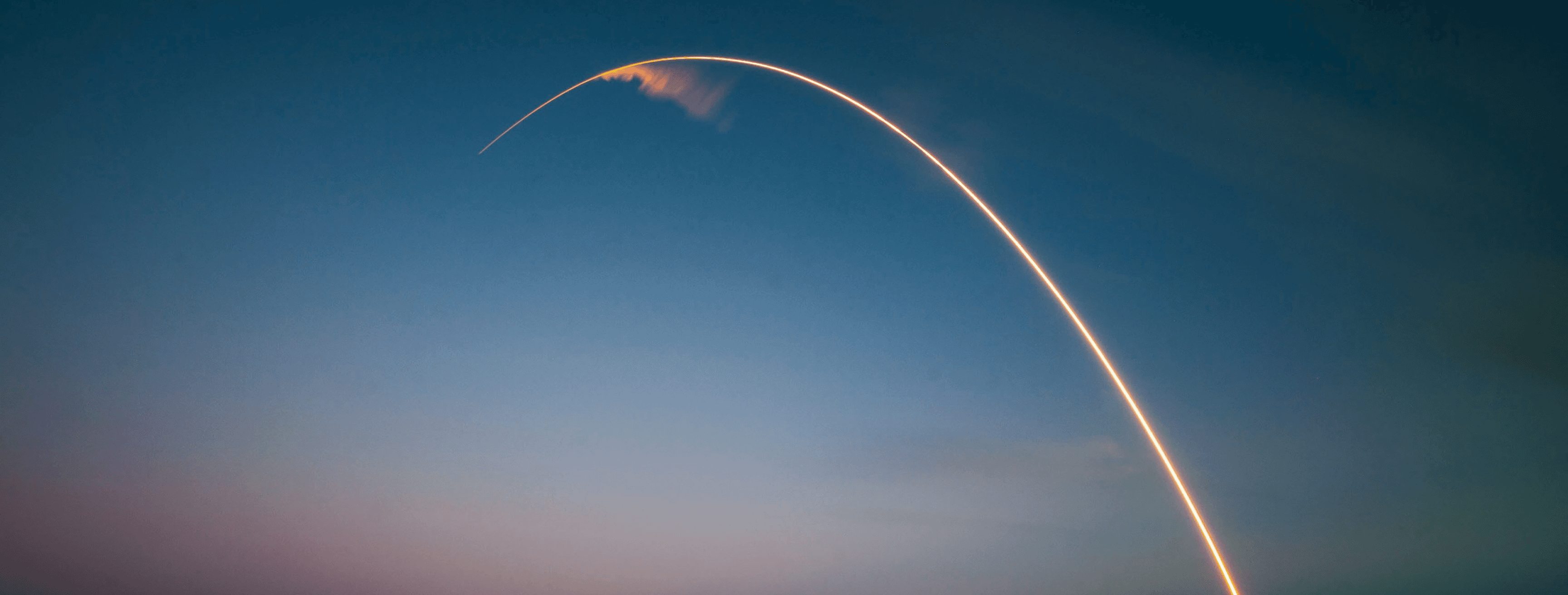
Autonomy and supervision for orbital, aerial, and long-distance systems where human presence is limited.
Physical World Intelligence
Intelligent systems that explore, construct, transform, and restore remote physical environments, from oceans and orbit to harsh built infrastructure.
Research themes






Autonomy and supervision for orbital, aerial, and long-distance systems where human presence is limited.
Persistent sensing and resilient physical action for ocean infrastructure, underwater operations, and coastal risk.
Systems that restore and maintain places people cannot safely reach or stay in for long.
Mission frame
Missions
Modeled after Astro Lab's stacked dark sections, these cards map the Stars and Sea research direction into concrete system programs.
Robotic systems that can map, monitor, and maintain offshore and underwater infrastructure while keeping human operators in strategic control.
Interfaces and decision layers that help teams supervise assets where latency, risk, and environmental uncertainty shape every action.
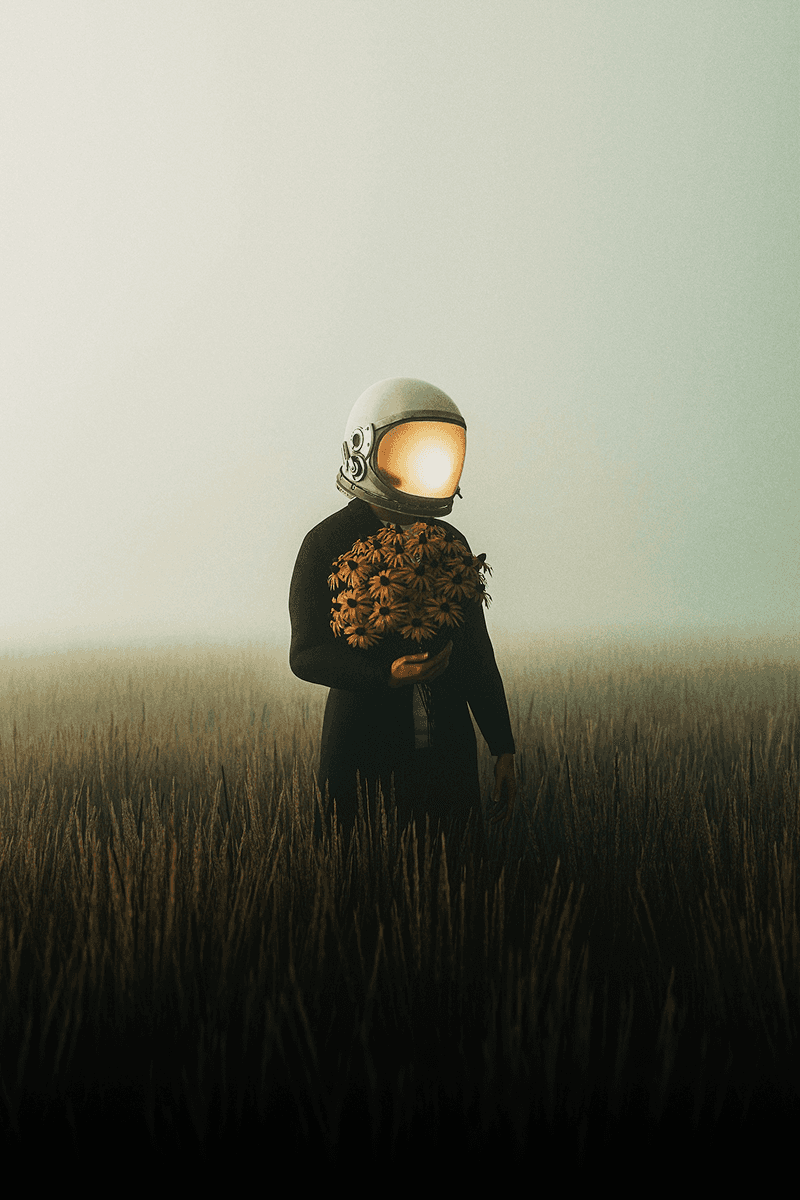
Sensing, manipulation, and recovery loops for harsh sites, disaster zones, and remote built environments.
How should autonomous systems communicate uncertainty when people are supervising high-risk physical work?
What interfaces let experts command systems at mission level without hiding operational detail?
How can robots recover gracefully when field environments break assumptions?
Tech & Labs
Multimodal sensing for water, weather, terrain, and low-visibility physical environments.
Planning systems that adapt when communication is partial and the world changes faster than expected.
Human-in-the-loop control surfaces for mission-level intent, override, and trust calibration.
Fault-aware behavior for systems that need to continue safely after damage, drift, or uncertainty.
Stars and Sea