01
Factory-to-field autonomy
Robotic layout, prefabrication, and onsite assembly workflows that keep digital intent connected to physical work.
Intelligent systems that connect design intent, robotic production, onsite perception, and human expertise to transform how built environments are assembled, adapted, and restored.
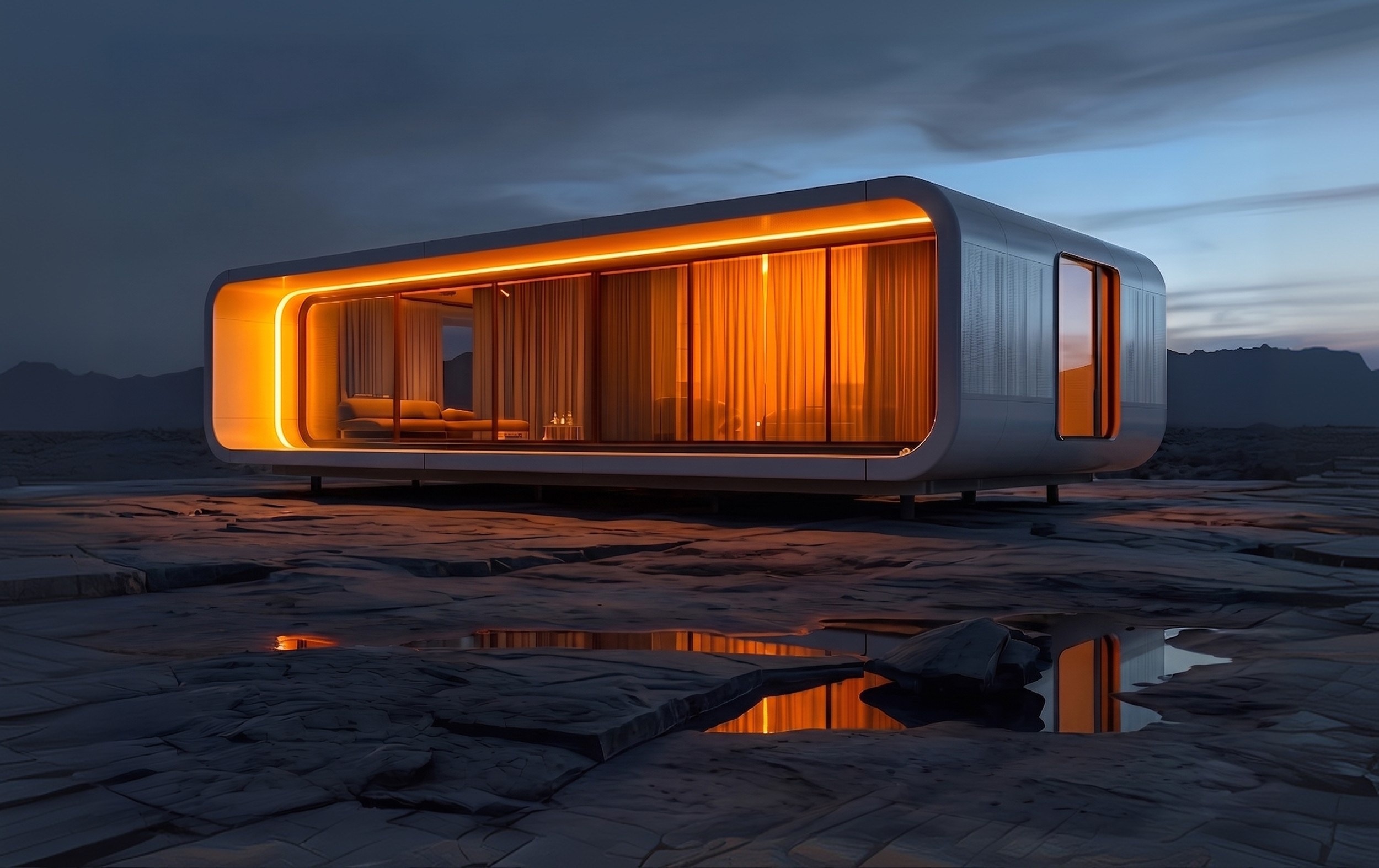
Intelligence frame
Industrialized construction is not only faster fabrication. It is a new operating model where buildings are planned as data-rich products, produced through repeatable systems, and completed by human-machine teams that can reason under real-world uncertainty.
Capture progress, deviation, safety, and material state as work unfolds.
Translate machine plans into human-readable actions and human feedback into updated plans.
Connect robotic production and onsite placement to the geometry and purpose of the building.
Stux-inspired cards, reinterpreted for construction intelligence rather than residential portfolio presentation.
Robotic layout, prefabrication, and onsite assembly workflows that keep digital intent connected to physical work.
Construction intelligence that senses geometry, tolerances, materials, and sequencing as conditions change in the field.
Interfaces and coordination models that help people supervise, redirect, and collaborate with machines on complex sites.
Operating model
Model, schedule, cost, and site state become one continuously updated operational layer.
Components are planned for repeatable fabrication while preserving architectural specificity.
Robots, sensing, and workers coordinate installation under real site uncertainty.
How can intelligent systems make construction more adaptive, precise, resilient, and humane across the full lifecycle of the built world?
Back home